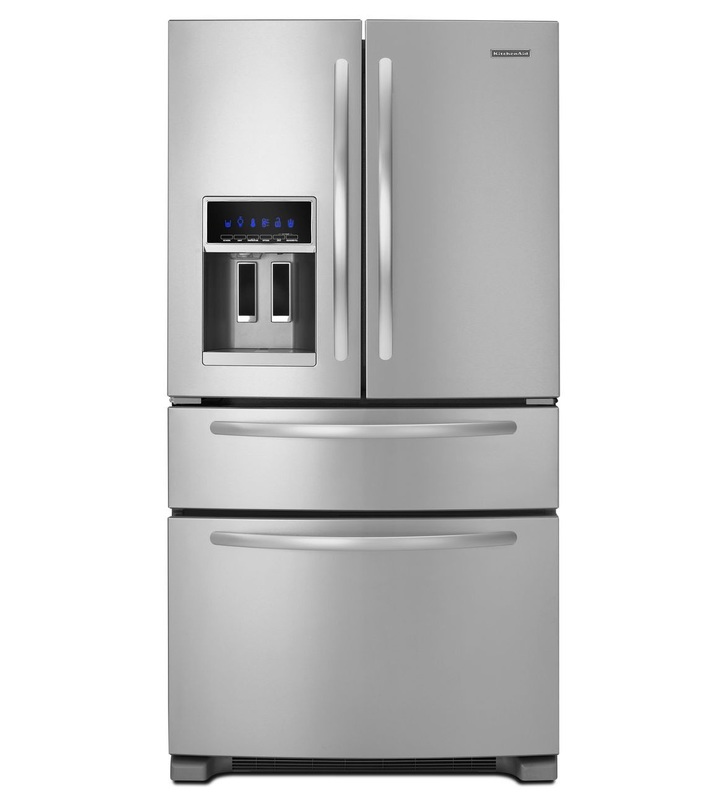
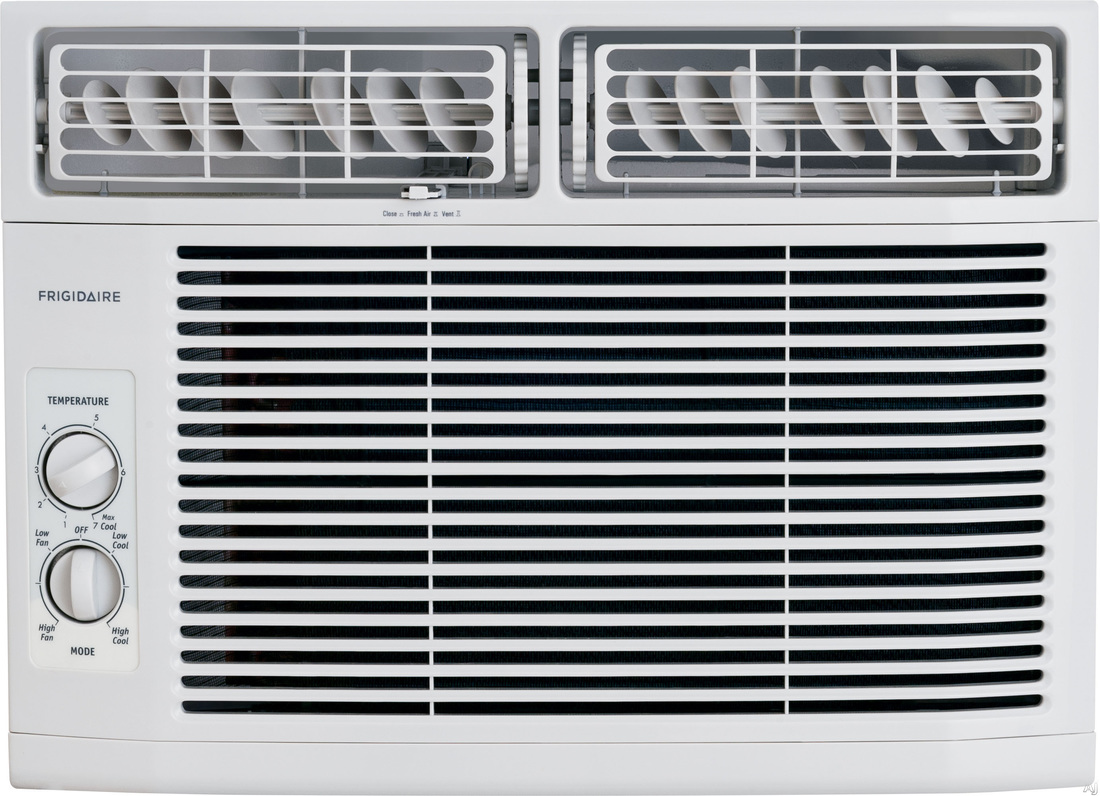
Type II certification is primarily for equipment using a high-pressure refrigerant such as
HCFC-22. The equipment includes residential air conditioners and heat pumps, supermarket refrigeration and process refrigeration. All residential HVAC technicians will need to be familiar with EPA Type II materials and the EPA Core exam material. Many HVAC techs choose to take their exams one by one as a way to study and concentrate on one exam at a time. Some techs, handymen and repair contractors know that all their business will be from EPA Type 1 kind of work, so they aren’t worried about EPA Type 2 or Type 3.
HCFC-22. The equipment includes residential air conditioners and heat pumps, supermarket refrigeration and process refrigeration. All residential HVAC technicians will need to be familiar with EPA Type II materials and the EPA Core exam material. Many HVAC techs choose to take their exams one by one as a way to study and concentrate on one exam at a time. Some techs, handymen and repair contractors know that all their business will be from EPA Type 1 kind of work, so they aren’t worried about EPA Type 2 or Type 3.
EPA Type II Certification Exam
The EPA 608 Type II Certification exam is 25 questions covering leak detection and repair, refrigeration, recovery requirements and recovery techniques. A passing grade is 18 out of 25 questions correct. There are many overlap questions on the exam between the EPA Core exam and the EPA Type II exam and you will have to take both exams at the same time. Some of the EPA Core test questions you will see on the exam cover topics on substitute refrigerants and oils, general safety, refrigerant cylinders and refrigerant cylinder shipping. When you pass one EPA exam, you do not have to retake it and can start studying for the next exam. The other good thing is that once you are EPA certified, you have the certification for life and do not need to retake the exams or have continuing education classes to maintain the certification.
Refrigerant Leak Detection and Repair
After installation of any type of refrigeration system and before charging it with refrigerant, the unit should first be pressurized with nitrogen (classified as an inert gas) and leak checked. Using an electronic or ultrasonic leak detector will locate the general area of the leak. A refrigeration system with an open compressor that has not been used in several months is likely to leak from the rotating shaft seal. Visual inspection of leaks can be done by looking for traces of oil. Excessive superheat, caused by low refrigerant charge, is also an indication of a leak in a high-pressure system. If a system has more than 50 pounds of refrigerant, any leaks must be repaired if the leak rate exceeds 15% in comfort cooling appliances or the leak rate exceeds 35% in all commercial and industrial process refrigeration.
Refrigeration
The most common refrigerant used before 1995 was R-22, but with the variety of refrigerants in the market, the technician should always read the nameplate to determine the type of refrigerant used in the system. Filter-driers are designed to remove moisture from the refrigerant in a system; however, in order to remain effective, these must be replaced on a routine basis or any time a system is opened. If your filter drier gets dirty before you install it, it is a good idea to replace it for it to work properly. Any dirty or mud can severely impact the filter drier’s use. During evacuation of systems with large amounts of water, it may be necessary to increase pressure by introducing nitrogen to counteract freezing. Where there is a risk of freezing, liquid charging of an R-12 refrigeration system should begin with vapor from a vacuum level to a pressure of approximately 33 psig followed by a liquid charge through the liquid-line service valve.
Vacuum can be measured in either microns or inches of mercury (inches Hg). The more accurate and preferred method of measuring a deep vacuum is in microns. When evacuating a vapor compression system, the vacuum pump should be capable of pulling 500 microns (or 29.90" Hg) of vacuum. Never start a hermetic compressor when under a deep vacuum as the motor winding could be damaged if energized.
Systems using thermal expansion valves will have a receiver/tank on the outlet side of the condenser, designed to hold liquid refrigerant. When leaving the condenser directly or the receiver, the refrigerant remains a high pressure/high temperature liquid until it goes to the metering device. The line between the condenser and the metering device is also referred to as the liquid line.
Vacuum can be measured in either microns or inches of mercury (inches Hg). The more accurate and preferred method of measuring a deep vacuum is in microns. When evacuating a vapor compression system, the vacuum pump should be capable of pulling 500 microns (or 29.90" Hg) of vacuum. Never start a hermetic compressor when under a deep vacuum as the motor winding could be damaged if energized.
Systems using thermal expansion valves will have a receiver/tank on the outlet side of the condenser, designed to hold liquid refrigerant. When leaving the condenser directly or the receiver, the refrigerant remains a high pressure/high temperature liquid until it goes to the metering device. The line between the condenser and the metering device is also referred to as the liquid line.
Recovery Requirements
Recovery equipment manufactured after November 15, 1993 must be certified by an EPA laboratory, be equipped with low-loss fittings, and must meet stringent vacuum standards.
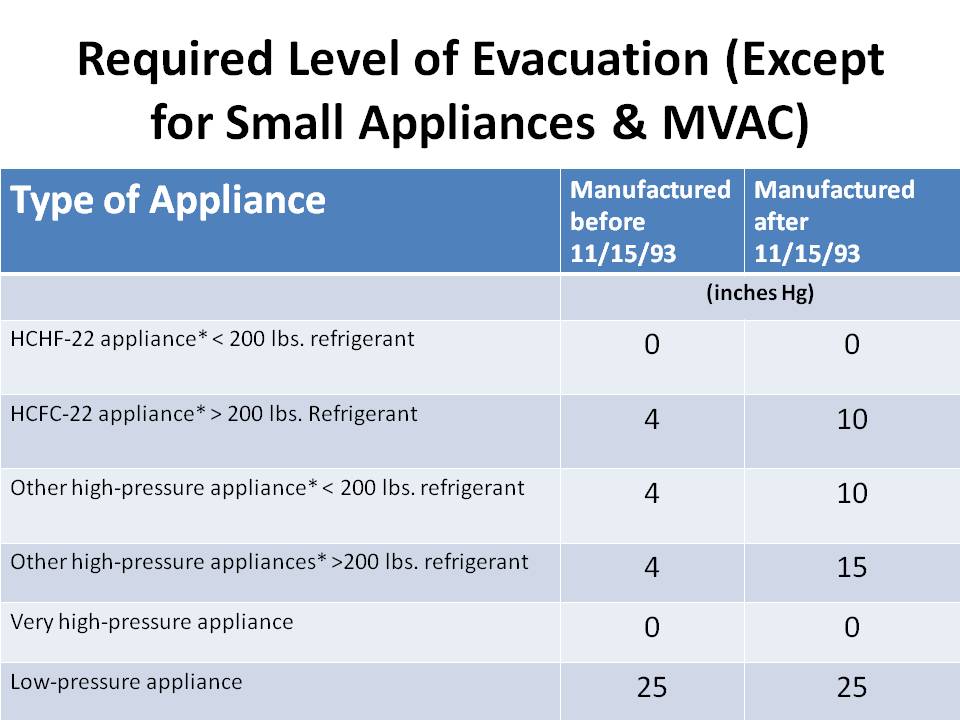
EPA has established limited exceptions to its evacuation requirements for:
Repairs that are not major and that are not followed by an evacuation of the equipment to the environment must be evacuated to at least 0 psig before it is opened if it is a high or very high pressure appliance, or must be pressurized to 0 psig before it is opened if it is a low-pressure appliance.
- Repairs to leaky equipment. Appliances can be evacuated to atmospheric pressure (0 psig) if leaks make evacuation to the prescribed level unattainable.
- Non-major repairs. Under EPA regulations, a major repair means any maintenance, service or repair involving the removal of any or all of the following components: the compressor, the condenser, the evaporator or an auxiliary heat exchanger coil. A non-major repair would not fall into any of these categories.
Repairs that are not major and that are not followed by an evacuation of the equipment to the environment must be evacuated to at least 0 psig before it is opened if it is a high or very high pressure appliance, or must be pressurized to 0 psig before it is opened if it is a low-pressure appliance.
Recovery Techniques
Before using a recovery unit you should always:
On a routine basis, you should always:
Both recycling and recovery equipment using hermetic compressors have the potential to overheat when drawing a deep vacuum because the unit relies on the flow of refrigerant through the compressor for cooling, so be aware of this problem.
Before charging a new system with refrigerant, technicians working with multiple refrigerants but the same recovery equipment must:
The only exception to this rule is for technicians working with R-134A, who must provide a special set of hoses, gauges, vacuum pump, recovery/recycling machine, and oil containers to be used with R-134A only.
In order to reduce recovery time and thereby reduce chances for refrigerant emissions, the technician may choose to:
After recovery, refrigerant may be returned to the appliance from which it was removed or to another appliance owned by the same person without being recycled or reclaimed, unless the appliance is an MVAC or MVAC-like appliance.
You can view practice test questions on the EPA Certification exam here.
EPA's website link on EPA Certification Type II Exam
- Check the service valve positions.
- Check the oil level of the recovery unit.
- Evacuate and recover any remaining refrigerant from the unit’s receiver.
- Evacuate an empty recovery cylinder before transferring refrigerant to the cylinder.
On a routine basis, you should always:
- Check both the oil and filter on a refrigerant recycling machine as recovered refrigerants may contain acids, moisture, and oil.
- Use quick couplers, self-sealing hoses, or hand valves should be used to minimize refrigerant release when hoses are connected and disconnected.
Both recycling and recovery equipment using hermetic compressors have the potential to overheat when drawing a deep vacuum because the unit relies on the flow of refrigerant through the compressor for cooling, so be aware of this problem.
Before charging a new system with refrigerant, technicians working with multiple refrigerants but the same recovery equipment must:
- Purge the recover/recycle equipment by recovering as much of the first refrigerant as possible.
- Change the filter.
- Evacuate.
The only exception to this rule is for technicians working with R-134A, who must provide a special set of hoses, gauges, vacuum pump, recovery/recycling machine, and oil containers to be used with R-134A only.
In order to reduce recovery time and thereby reduce chances for refrigerant emissions, the technician may choose to:
- Pack the recovery cylinder in ice and/or apply heat to the appliance.
- Recover as much as possible in the liquid phase. In order to recover liquid refrigerant, you must connect one hose to the system’s liquid line. After recovering liquid refrigerant, any remaining vapor is condensed by the recovery system.
After recovery, refrigerant may be returned to the appliance from which it was removed or to another appliance owned by the same person without being recycled or reclaimed, unless the appliance is an MVAC or MVAC-like appliance.
You can view practice test questions on the EPA Certification exam here.
EPA's website link on EPA Certification Type II Exam